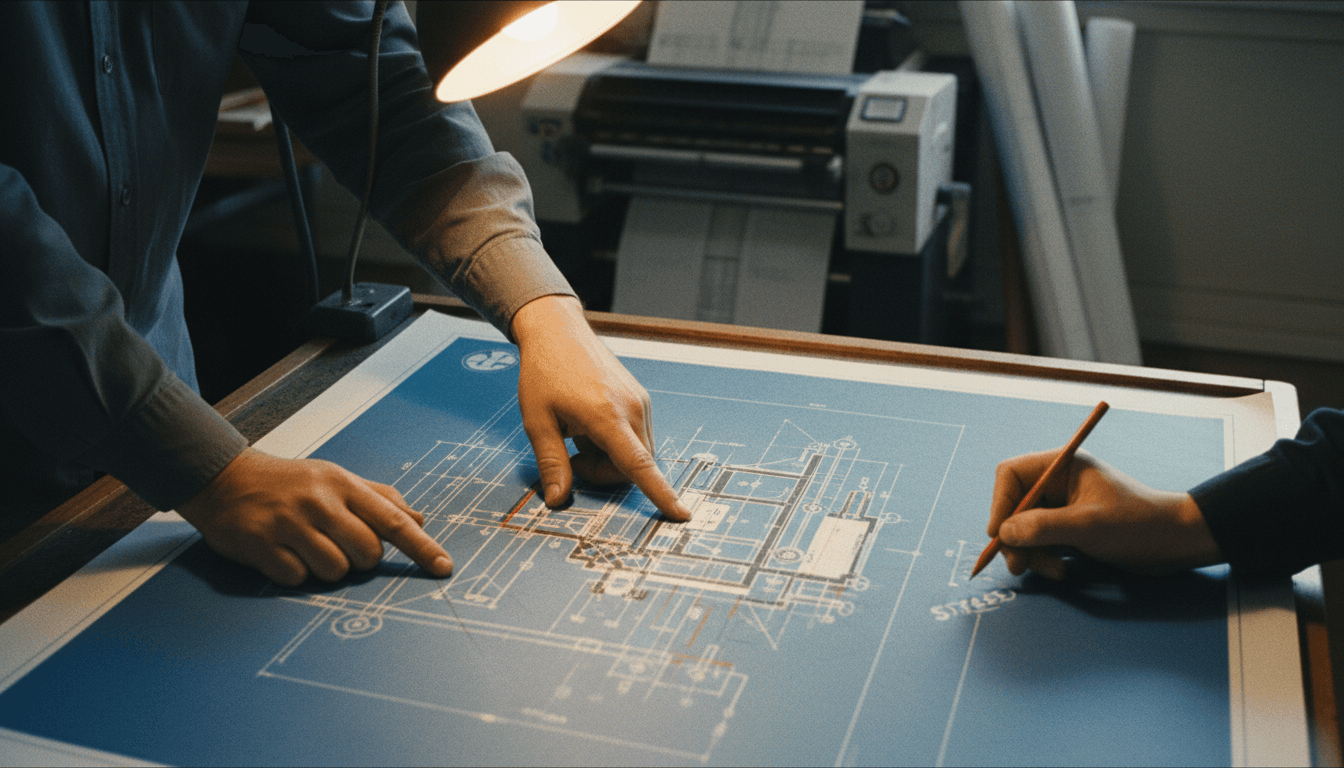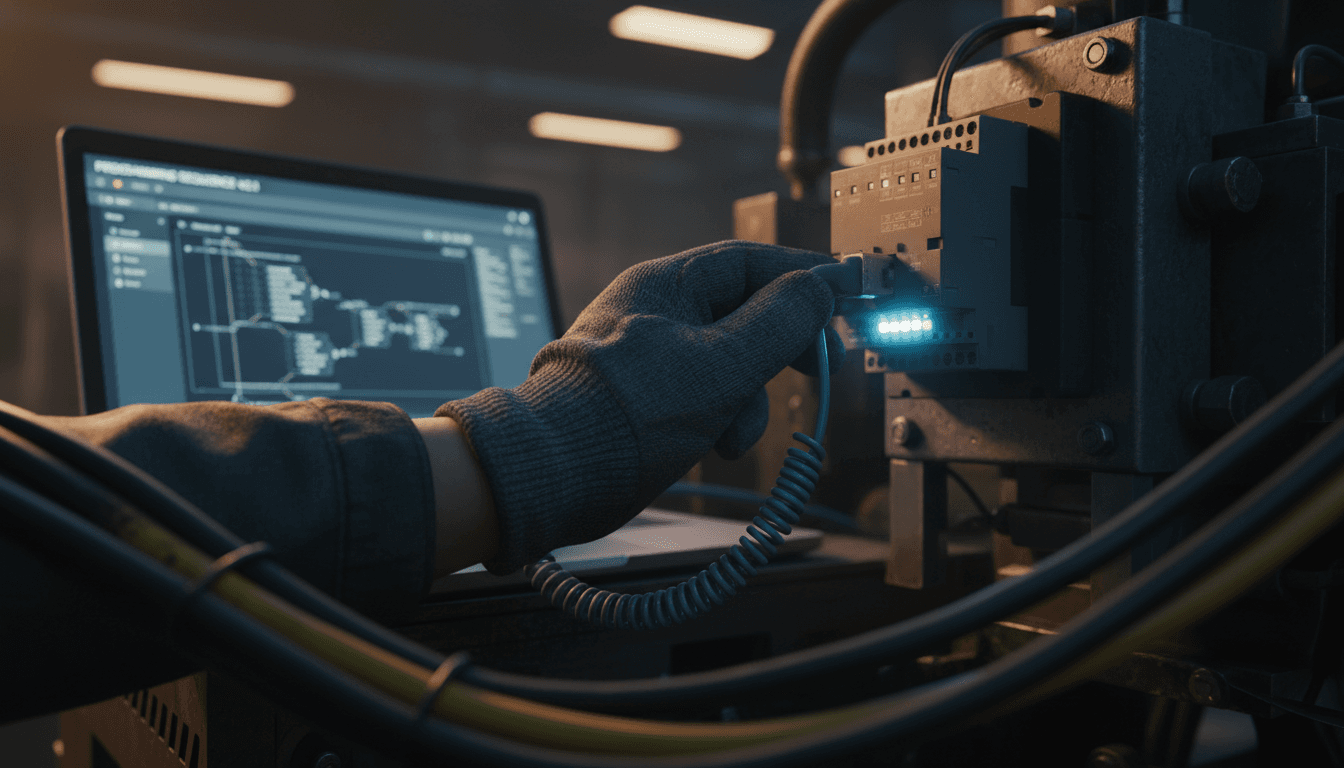
Facility commissioning manufacturing is a systematic process that ensures all industrial systems are designed, installed, and tested to meet specific performance requirements. It goes beyond simply energizing equipment by verifying that the facility can achieve its rated output and operational standards through rigorous functional testing.
Walking into a new facility only to realize your actual throughput is lagging thirty percent behind the original engineering specifications is a costly reality for many plant managers. While your contractors might have checked the boxes for installation, simply energizing the equipment does not guarantee that your line will achieve its rated capacity. This gap between mechanical readiness and operational excellence is where facility commissioning becomes the deciding factor for your bottom line. In this guide, we break down the critical hierarchy of installation, startup, and commissioning to clarify how each phase serves a distinct purpose. You will learn how to navigate the five stages of a comprehensive process, distinguish between dry and wet validation, and utilize PLC controls to verify real time performance data. We focus on moving beyond basic functionality to prove that your investment actually delivers the cycle times promised by the vendor.
The Difference Between Starting Up and Facility Commissioning for Manufacturing

In the context of industrial engineering, a common misconception exists that once equipment is anchored and powered, the facility is ready for production. This phase is merely startup; it is the moment of initial energization where engineers verify that motors turn and sensors receive power. By contrast, facility commissioning manufacturing is a rigorous, systematic process of validating design intent across the entire production line. It is the critical bridge between a theoretical CAD prototype and a profitable mass production environment.
At Lebron Industrial, we define success not by the presence of electricity, but by the achievement of rated output. While startup ensures the lights are on, commissioning proves the system can sustain the specific units per hour dictated by the initial turnkey manufacturing plant designs. This involves a deep dive into how custom machinery programming interacts with physical throughput. If a line is designed to produce 500 units per hour but currently peaks at 350 due to synchronization delays, the startup was successful, but the commissioning remains incomplete.
For industrial operations in the Parsippany-Troy Hills region and across New Jersey, formal facility commissions provide the empirical data needed to transition from the construction phase to the operations phase. This validation ensures that the electrical infrastructure, industrial plumbing, and PLC controls function as a unified organism capable of meeting the business’s financial projections. Without these industrial engineering services, manufacturers often face months of cycle time delays as they attempt to troubleshoot integration issues during live production runs. This phase is where we transform a collection of hardware into a high-performance asset.
Installation vs Startup vs Commissioning: Understanding the Hierarchy
To successfully transition a facility from a construction site to a high-output production environment, stakeholders must respect a specific hierarchy of operations. Confusion between installation, startup, and commissioning often leads to premature production attempts that result in catastrophic cycle time delays and equipment damage. A structured approach ensures that every component is mechanically sound, electrically active, and operationally integrated before the first production run begins.
Stage | Primary Objective | Critical Actions |
|---|---|---|
1. Installation | Physical Placement | Rigging, anchoring, leveling, and final utility connections. |
2. Startup | Basic Functionality | I/O checks, motor rotation verification, and initial PLC communication. |
3. Commissioning | Performance Validation | Stress testing, cycle time optimization, and rated output verification under load. |
Installation is the foundation, focusing on the precision of physical placement. During this phase, Lebron Industrial engineers oversee [heavy equipment relocation logistics] to ensure that machinery is anchored according to the structural tolerances defined in the turnkey manufacturing plant designs. This stage confirms that the physical footprint allows for necessary maintenance access and material flow.
Startup is the bridge where the equipment is energized. Engineers verify that the electrical infrastructure supports the peak draw of the machinery and that basic safety interlocks are functional. However, skip-leveling from startup directly to full scale production is the primary cause of integration failures in automated assembly lines. Without the final layer of commissioning, hidden logic errors in custom machinery programming or minor misalignments in industrial plumbing can remain undetected until the line is under stress.
Formal facility commissioning manufacturing represents the rigorous handoff between the construction team and the production staff. By utilizing professional industrial engineering services, a firm ensures that the systematic testing of the entire line validates the design intent. This process provides the empirical evidence needed to prove the facility is ready for the upcoming stages of wet and dry testing, moving beyond simple energization to true operational readiness through facility commissions.
The Five Stages of a Comprehensive Commissioning Process
Effective facility commissioning manufacturing follows a standardized sequential framework, moving from isolated component testing to full system synchronization. At Lebron Industrial, we utilize the C1 through C5 methodology to ensure every turnkey manufacturing plant design transitions from an engineering concept to a high-yield operational reality.
Stage | Designation | Focus Area |
|---|---|---|
C1 | Factory Acceptance Testing (FAT) | Verification at the vendor facility prior to shipment. |
C2 | Site Acceptance Testing (SAT) | Verification of equipment integrity after arrival and installation. |
C3 | Pre-commissioning | Dry runs focusing on logic, safety interlocks, and static state checks. |
C4 | Commissioning | Wet runs introducing raw materials to verify flow and processing. |
C5 | Performance Testing | Sustained validation of rated output and cycle time reliability. |
The C1 and C2 stages serve as the quality control gates. During FAT, our engineers often coordinate with equipment manufacturers to validate custom machinery programming against the original specifications. This prevents the costly mistake of shipping defective logic to a site in Parsippany-Troy Hills only to discover it requires a fundamental rewrite. SAT then confirms that the heavy equipment relocation logistics were successful and that the machinery survived transit without losing calibration or sustaining structural damage.
Many firms conclude their industrial engineering services at C3. While a successful dry run proves that the electrical infrastructure and PLC code function, it does not account for the physical variables of mass production. Lebron Industrial pushes deep into C4 and C5. C4, or wet commissioning, is the first time the industrial plumbing and mechanical systems interact with actual product. This stage reveals how heat, friction, and material viscosity affect the system under real world conditions.
The final stage, C5, is where facility commissions provide their true value. We subject the line to rigorous performance testing to validate the rated output. This involves operating the facility at its design capacity for a sustained duration to ensure that the throughput promised in the initial design is achievable without mechanical failure. By refusing to stop at the dry run stage, we ensure that the handoff to the production team is based on empirical performance rather than optimistic projections.
Dry Commissioning vs Wet Commissioning: Validating System Integrity
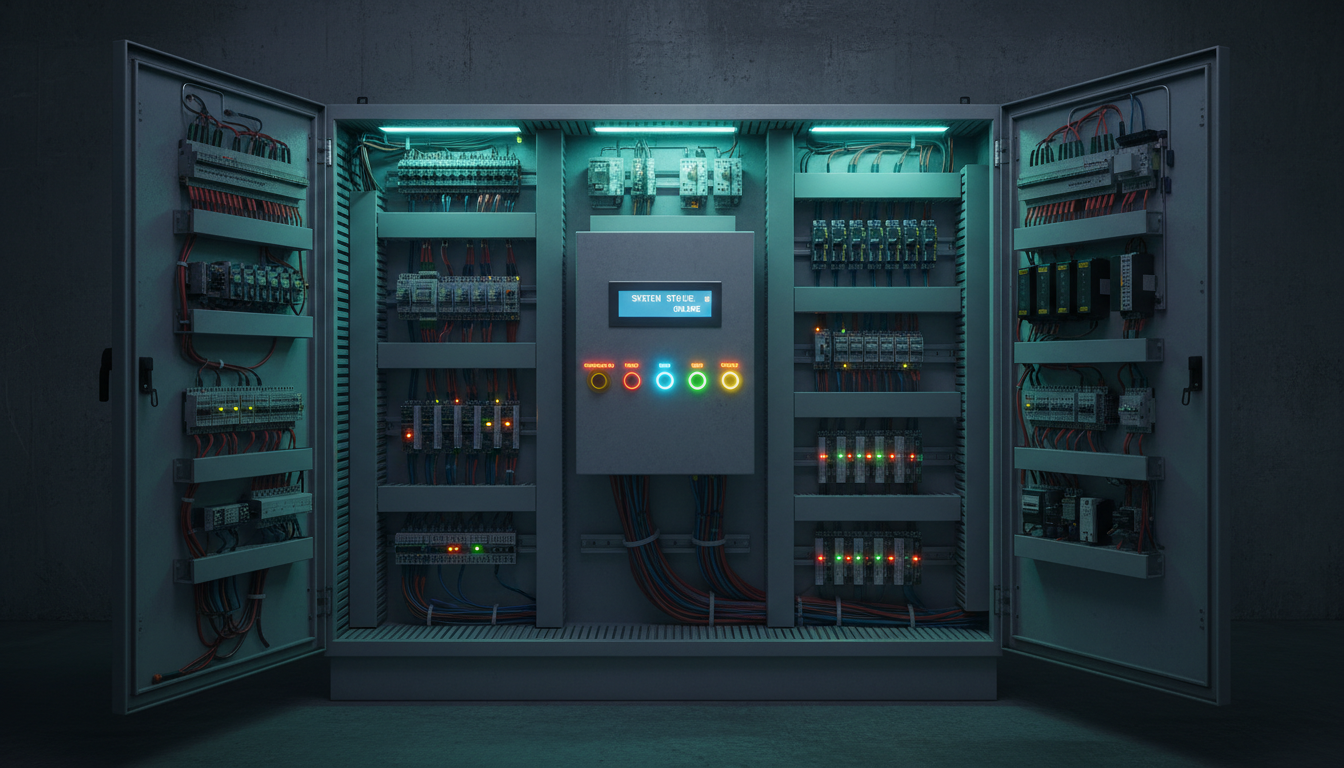
Distinguishing between dry and wet phases is where engineers isolate mechanical failure from logic errors. Dry commissioning serves as a rigorous simulation. During this stage, our engineers focus on verifying the PLC code against the electrical infrastructure without the risk of material waste or equipment damage. This involves confirming the sequence of operations in a vacuum, performing high pressure tests for industrial plumbing to ensure zero leak integrity, and checking every I/O point. It is a critical prerequisite that ensures the brains of the facility are communicating correctly with the bones.
Wet commissioning shifts the focus to dynamic variables by introducing raw materials into the system. It is the first time the turnkey manufacturing plant designs are subjected to the physical stresses of product flow, such as friction, viscosity, and weight. During this phase, custom machinery programming must be fine tuned to handle real time feedback. A common failure point in modern facility commissioning manufacturing is the disconnect between physical throughput and data throughput.
If the cloud database tracking is not synchronized with the PLC logic during wet runs, the system can experience a data bottleneck. These digital latencies often act as a governor on the machinery, effectively throttling the line even if the mechanical components are capable of higher speeds. Lebron Industrial treats the data stream as a core utility. During facility commissions, we ensure the digital handshake is optimized so that the reporting infrastructure supports, rather than hinders, the achievement of the rated output defined in our industrial engineering services.
Proving Rated Output: Throughput and Cycle Time Validation

Validating the digital handshake and material flow sets the stage for the most critical phase: proving the plant can hit its promised numbers. The ultimate objective of facility commissioning manufacturing is the empirical validation of the facility’s financial model. If a line is designed to produce 1,200 parts per hour, the commissioning phase is not complete until that rate is achieved consistently under production loads. At Lebron Industrial, we utilize Overall Equipment Effectiveness (OEE) as the primary lens for this validation. OEE measures availability, performance, and quality, ensuring that a high throughput rate is not being achieved at the cost of excessive scrap or frequent mechanical downtime.
Cycle time analysis involves timing the exact duration of each station, from the moment a workpiece enters a work cell to the moment it exits. By comparing these localized cycle times against the turnkey manufacturing plant designs, engineers can pinpoint bottlenecks. Often, a bottleneck is not a mechanical failure but a synchronization lag between two machines or a sensor that triggers too slowly at high speeds. Identifying these latencies requires high-speed cameras and PLC data logging to see where the fractional seconds are lost.
A robust commissioning checklist for performance validation must include:
Validation Category | Metric / Action | Purpose |
|---|---|---|
Stress Testing | 110% Capacity Run | Proves the 100% rated output is sustainable for daily operations. |
Quality Control | Scrap Rate Threshold | Ensures high speeds do not lead to excessive material waste. |
Safety Integrity | E-Stop Latency Check | Confirms safety interlocks meet NJ industrial standards at peak velocity. |
In New Jersey, industrial validation also requires adherence to specific state electrical and mechanical codes. During high-speed validation, our industrial engineering services ensure that the electrical infrastructure remains within thermal limits and that vibration levels do not exceed structural tolerances. These facility commissions provide the data required to prove the plant is a high-performance asset, ready for the final layer of optimization: the integration of data and PLC controls.
Integrating PLC Controls and Cloud Tracking for Real Time Performance Data
Modern facility commissioning manufacturing requires more than just mechanical checks; it requires validating the digital twin and the integrity of the data stream. In high speed environments, a common cause of assembly line commissioning delays is the failure to synchronize PLC logic with cloud database tracking. If a custom machine produces 60 units per minute but the logging infrastructure only processes 40, the system encounters a data bottleneck. This mismatch effectively throttles the plant, as production must slow down to prevent data loss or buffer overflows.
Lebron Industrial engineers specialize in optimizing this digital handshake during facility commissions. We conduct rigorous controls code testing to ensure that API latencies do not interfere with cycle times. Our industrial engineering services include stress testing the telemetry pipelines to confirm they can handle the bursts of data generated at peak rated output. By aligning custom machinery programming with cloud integration, we ensure that the turnkey manufacturing plant designs provide real time visibility without sacrificing physical throughput. This validation confirms that the digital infrastructure is just as robust as the electrical and mechanical systems.
Effective facility commissioning is defined by achieving rated output rather than simply energizing equipment. By focusing on verified performance, you protect your investment and ensure that your manufacturing goals are met from day one. If you want expert help refining your operational strategies, please learn more About our team and our unique consulting methodology. We are dedicated to helping you reach peak efficiency through proven, data-driven processes that turn complex installations into high-performing assets.