Turnkey plant design is an integrated engineering process where a single provider manages every phase of a project, from initial CAD modeling and procurement to construction and final commissioning. This methodology ensures that a facility is delivered in a fully operational state, providing project owners with a streamlined transition from technical planning to active production.
Launching a new production facility often feels like managing a dozen competing crises at once. Miscommunication between architects, equipment vendors, and utility contractors leads to costly delays that eat into your operational timeline. At Lebron Industrial Operational Consultants, we believe that a truly efficient facility starts long before the first machine arrives on the floor. A turnkey plant design approach integrates every variable into a cohesive strategy; it ensures that your vision translates perfectly from a digital CAD file to a fully commissioned production line. In this guide, we will analyze the entire lifecycle of industrial development. You will learn how to navigate design for manufacturing reviews, manage heavy equipment logistics, and integrate cloud based databases into your workflow. By the end of this article, you will understand how a unified engineering strategy ensures a seamless handoff on day one.
Understanding Turnkey Plant Design for Modern Manufacturing
Turnkey plant design represents a holistic approach to industrial engineering where a single firm manages the transformation of an industrial space from a conceptual layout to a fully commissioned production line. In modern manufacturing, this model serves as a necessary antidote to the inefficiencies of fragmented project management. Traditionally, a facility manager might juggle separate contracts for architects, heavy equipment riggers, and PLC programmers. This often results in communication breakdowns, where the electrical infrastructure fails to align with the machinery's actual power draw or the floor layout prevents efficient material flow.
Based in Parsippany-Troy Hills, New Jersey, Lebron Industrial Operational Consultants specializes in these comprehensive turnkey manufacturing plant designs. By centralizing heavy equipment relocation logistics and design for manufacturing reviews under one roof, we eliminate the operational silos that typically delay facility launches. This integrated approach ensures a single point of accountability. When one engineering team oversees the initial CAD pass, the plumbing and electrical integration, and the final software handoff, the risk of technical friction decreases significantly. For New Jersey manufacturers, this means moving from a prototype phase to mass production with a streamlined timeline and a line that performs exactly as engineered on day one.
Phase One: The Design for Manufacturing Review and Initial CAD Pass
The transition from a functional prototype to a high-volume production environment is where most industrial projects encounter their first major hurdles. A prototype proves a concept; a production line must prove profitability, repeatability, and safety. At Lebron Industrial, we bridge this gap starting with rigorous design for manufacturing reviews. This process involves a deep dive into the product’s geometry, material requirements, and assembly sequences to ensure the design is optimized for automated processes rather than manual bench work.
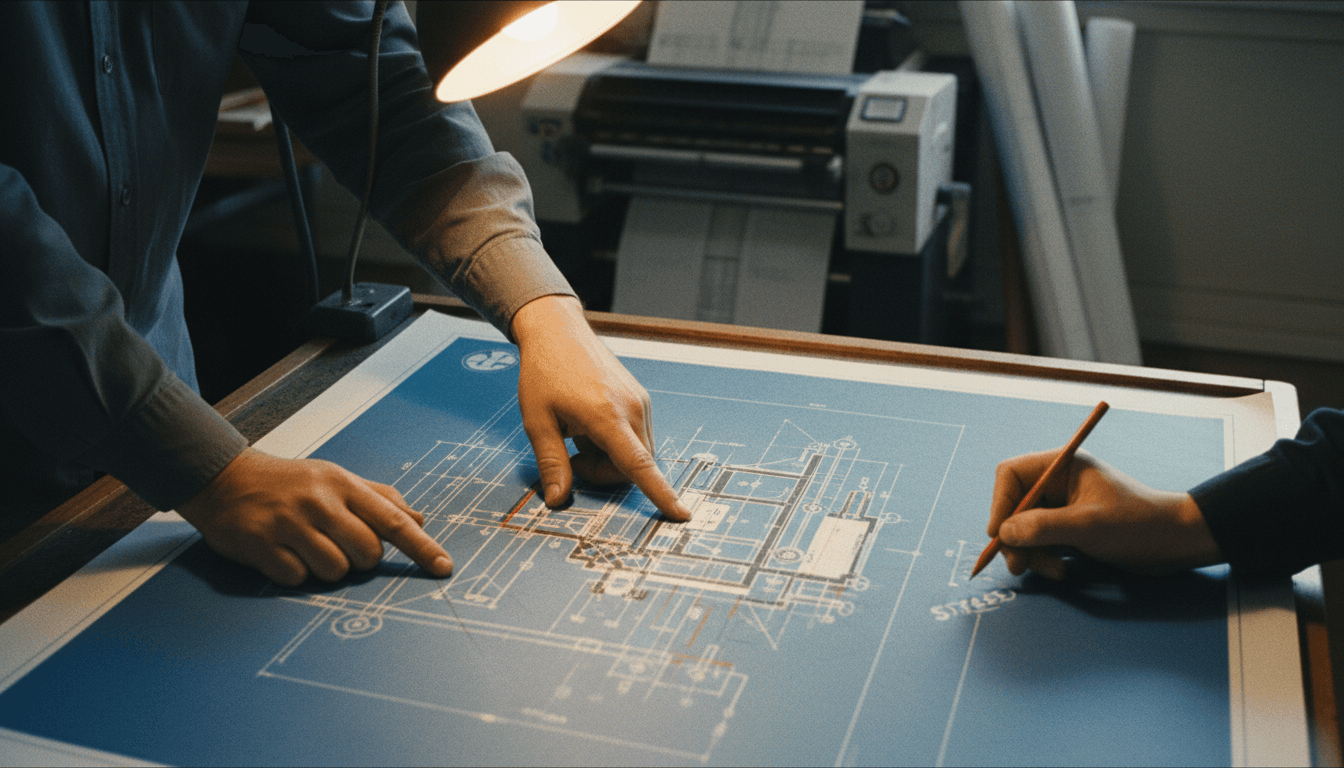
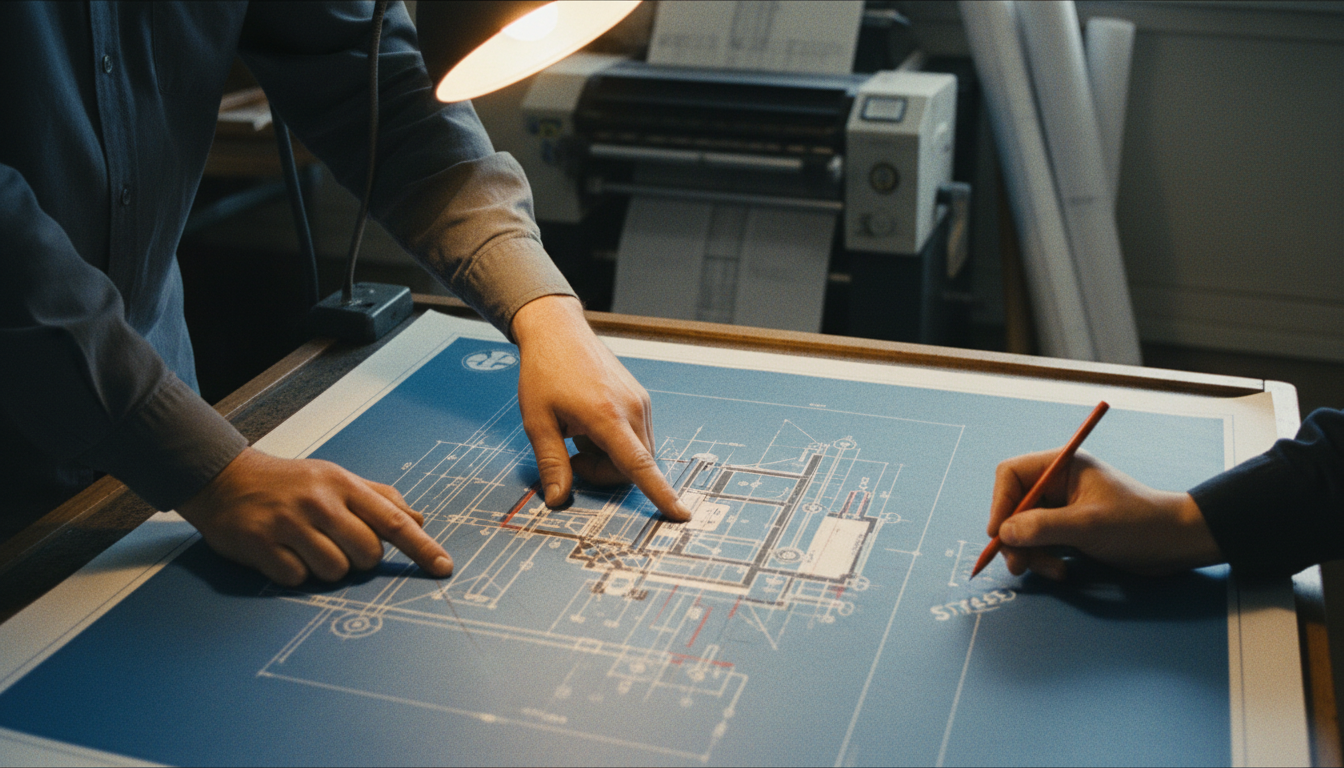
Once the product design is vetted, we move into the initial CAD pass. This is a technical mapping of the facility’s footprint where every square foot of the Parsippany floor is accounted for. We focus on spatial optimization, ensuring that the placement of stations minimizes the distance materials travel. By utilizing advanced 3D modeling, we simulate the movement of both raw materials and finished goods. This allows our engineers to visualize material flow and identify potential bottlenecks, such as a localized accumulation of parts between two stations with mismatched cycle times, before a single capital investment is made.
Workflow ergonomics are equally prioritized during this phase. We analyze operator reach zones and equipment access points to ensure the layout supports high throughput without compromising safety. Integrating these factors into the turnkey manufacturing plant designs ensures that the eventual heavy equipment relocation logistics are grounded in spatial reality. By identifying clearance issues or inefficient station transitions in a digital environment, we prevent the costly, time-consuming modifications that occur when a layout is designed without a thorough understanding of physical machine dynamics. This proactive engineering ensures the facility is built for maximum efficiency from the moment the first machine is bolted to the floor.
Phase Two: Engineering Industrial Infrastructure and Utility Layouts
Engineering the infrastructure is the critical next step after the spatial layout is finalized. While machinery placement defines the floor’s geometry, the underlying utility network serves as the operational lifeblood. We focus on integrating industrial plumbing and electrical infrastructure directly into the turnkey manufacturing plant designs to ensure that every machine has the specific resources it requires to function at peak capacity.
Heavy machinery often demands complex utility drops that go beyond standard facility capabilities. Our engineers map high-voltage electrical drops, typically 480V three-phase power, alongside compressed air lines and chilled water loops. If the production process involves liquid waste or cooling runoff, we design specialized drainage systems with proper pitch and chemical resistance. Mapping these routes in the CAD phase is non-negotiable. Without this foresight, manufacturers often face the expensive and disruptive task of trenching finished concrete or rerouting overhead conduit once the equipment is already on-site.
Our team ensures all layouts strictly adhere to New Jersey industrial building codes and NFPA standards. This includes calculating load requirements for sub-panels and ensuring that pipe diameters account for pressure drops across the facility. By coordinating these utility layouts with heavy equipment relocation logistics, we ensure that the physical installation is a matter of connection rather than construction. This level of technical preparation, informed by our initial design for manufacturing reviews, guarantees that the facility’s infrastructure supports the production load without unexpected failures or code violations during the commissioning phase.
Phase Three: Heavy Equipment Relocation and Logistics
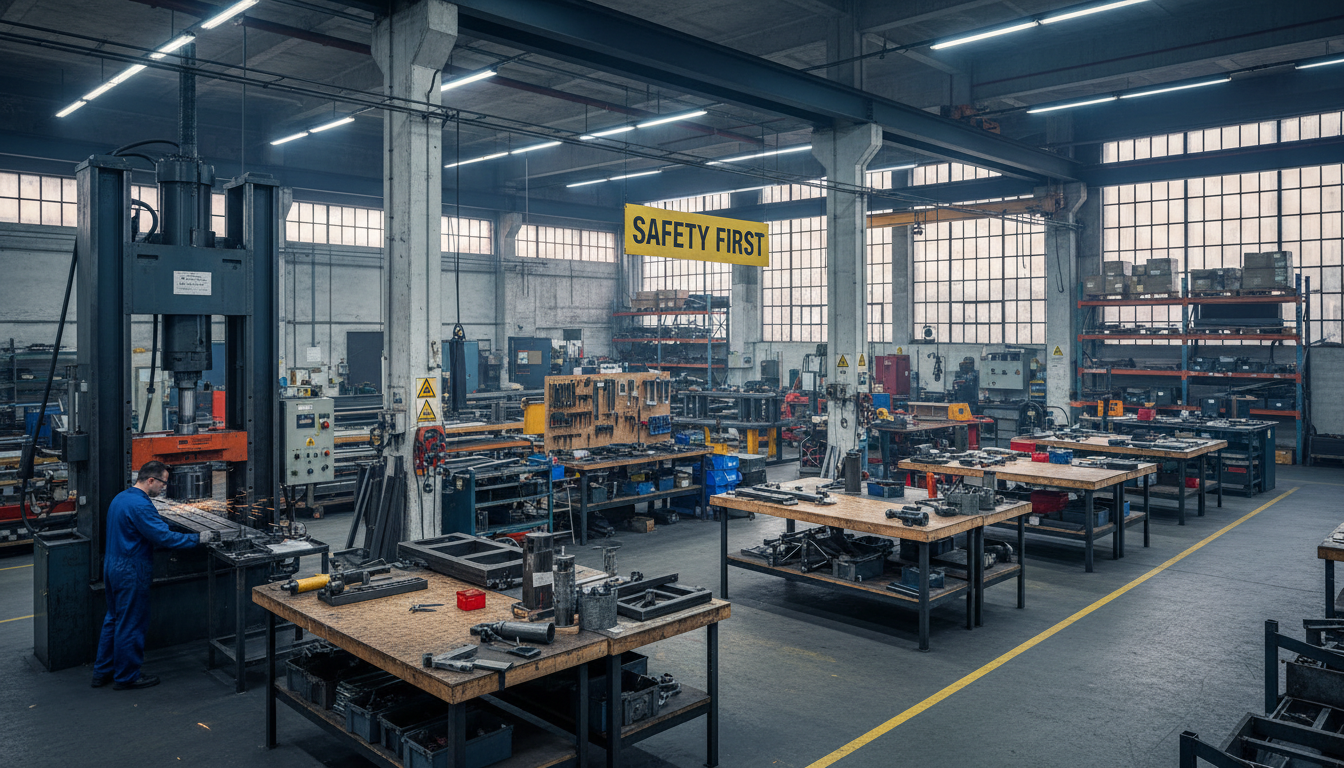
Once the conduit is run and the floor is prepped, the project moves from the digital environment to the physical workspace. This transition is managed through meticulous floor marking, where the coordinates established during the initial design for manufacturing reviews are translated directly onto the concrete. Using industrial tape and laser levels, our team outlines the exact footprint of every machine, operator station, and safety zone. This physical verification step ensures that the real world installation mirrors the CAD model precisely, leaving no ambiguity for the rigging teams as they arrive on site.
Executing heavy equipment relocation logistics requires a specialized technical skill set far beyond standard freight. We utilize specific rigging equipment, such as hydraulic gantry systems, heavy-duty machinery skates, or air pallets, depending on the asset's weight and sensitivity. Each move is governed by a comprehensive lift plan that accounts for the equipment’s center of gravity and the floor’s load-bearing capacity. In Parsippany facilities where ceiling heights or column spacing may be tight, this precision prevents structural damage and ensures the machinery is positioned exactly where the utility drops were installed.
Safety protocols are the backbone of this phase. We establish strict exclusion zones and utilize certified spotters to manage the movement of multi-ton industrial assets. Every piece of rigging gear, from slings to shackles, undergoes verification for weight ratings before a lift begins. This level of discipline ensures that as the turnkey manufacturing plant designs take physical shape, the site remains secure. Once the machinery is leveled and anchored to the slab, the facility transitions from a construction zone to a functional production environment, ready for its digital architecture.
Phase Four: Programming and Cloud Database Integration

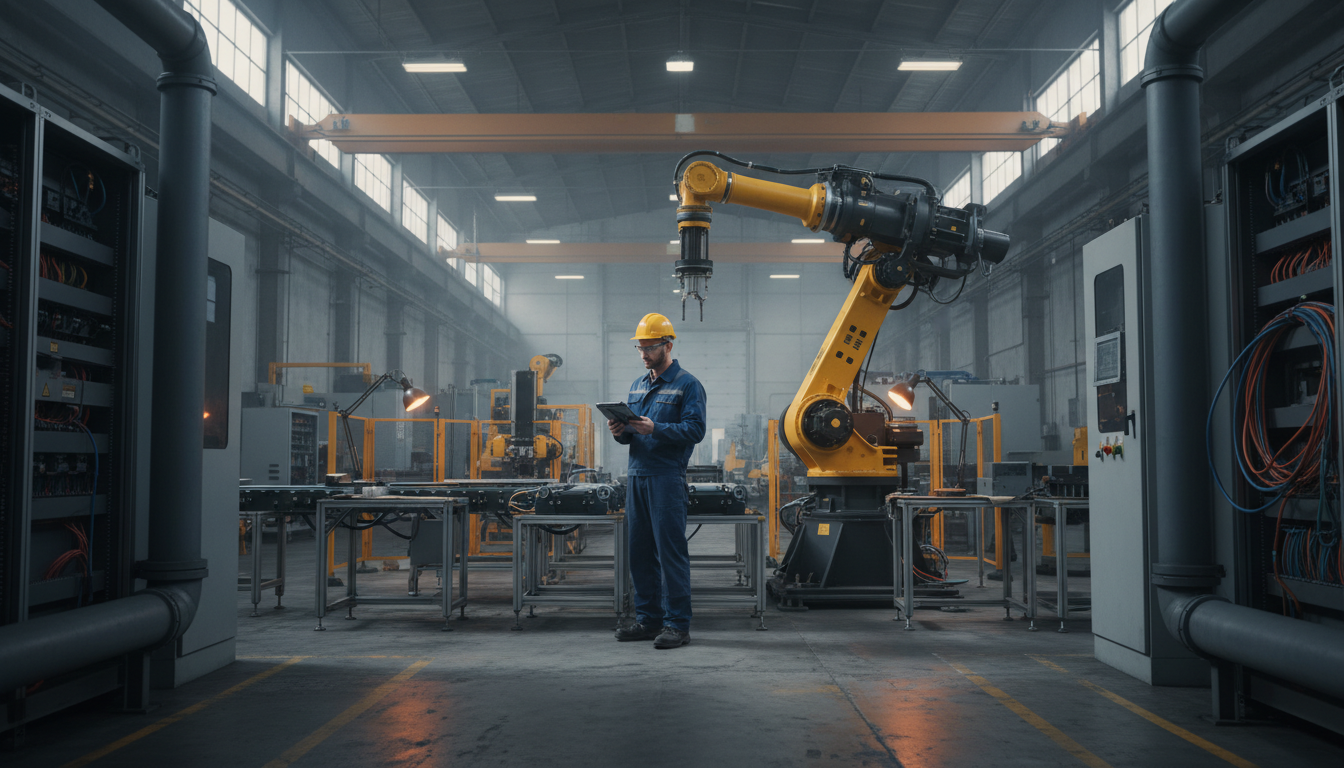
With the physical assets secured, the project moves into the digital orchestration phase. This is where custom machinery programming defines the logic of the entire line. Our engineers develop sophisticated PLC (Programmable Logic Controller) scripts that govern every movement, from precise robotic arm trajectories to conveyor belt synchronization. This programming ensures that the physical optimizations identified during our earlier design for manufacturing reviews are executed with millisecond accuracy.
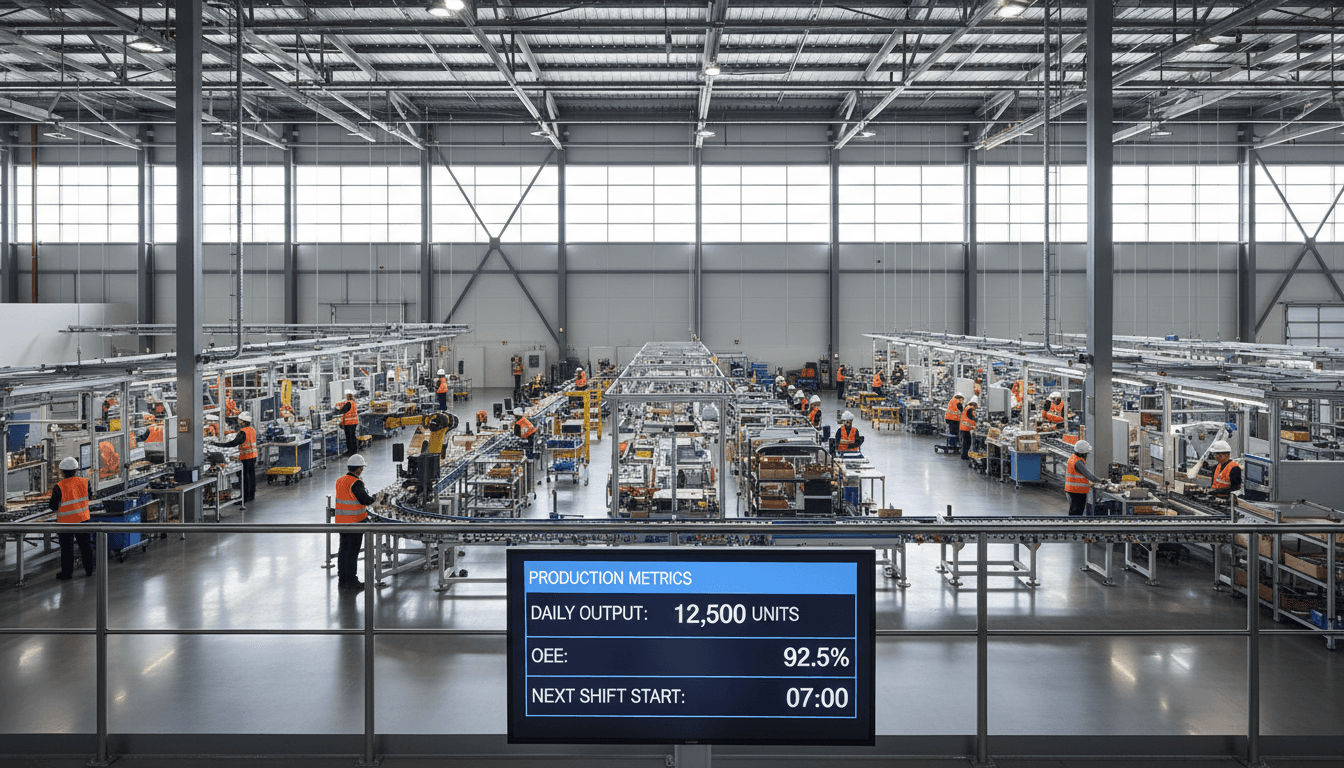
Modern turnkey manufacturing plant designs are no longer isolated systems; they require a robust digital layer. We integrate PLC outputs with cloud database tracking to provide real-time visibility into production metrics. This allows facility managers to monitor Overall Equipment Effectiveness (OEE) by analyzing availability, performance, and quality data as it happens. By capturing granular data on cycle times and downtime causes, we eliminate the guesswork inherent in manual reporting. We typically implement these systems using secure gateways that push data to centralized dashboards, accessible from any location.
For manufacturers in Parsippany-Troy Hills, this digital infrastructure is a strategic necessity. High end operational visibility allows local firms to optimize their labor costs and material yields, providing the efficiency required to compete against global competitors with lower overhead. Transitioning from heavy equipment relocation logistics to a data driven environment ensures that the plant is not just functional, but also intelligent and scalable. By bridging the gap between the shop floor and the front office, we provide the tools necessary for continuous process improvement long after the initial installation.
Phase Five: The Commissioning Process and Final Handoff

The commissioning phase is the rigorous transition from a static installation to a live production asset. It begins with point to point I/O (Input/Output) verification, where our engineers test every individual sensor, motor starter, and software trigger to ensure the physical hardware responds correctly to the PLC commands. This technical scrutiny prevents equipment damage by identifying miswired components or logic errors before the line is under full load.
We divide this validation into two distinct stages. The dry run involves cycling the machinery through its full range of motion without any raw materials. This stage confirms that the heavy equipment relocation logistics were executed with the necessary precision and that all safety interlocks function as intended. Once the dry run meets all safety and sequence parameters, we progress to the wet run. During the wet run, actual production materials are introduced to the system. This allows us to verify that the optimizations identified during the design for manufacturing reviews hold up under real world stress, ensuring that material handling systems and scrap management perform as engineered.
A critical component of this handoff is comprehensive staff training. We transition technical knowledge to your operators and maintenance teams, focusing on HMI navigation, fault recovery, and preventative maintenance schedules. Commissioning is only considered complete when the line consistently meets the design cycle times established in the initial turnkey manufacturing plant designs. We stay on site in Parsippany until the throughput, quality rates, and safety metrics align perfectly with the project specifications, providing a seamless handoff to your production management team.