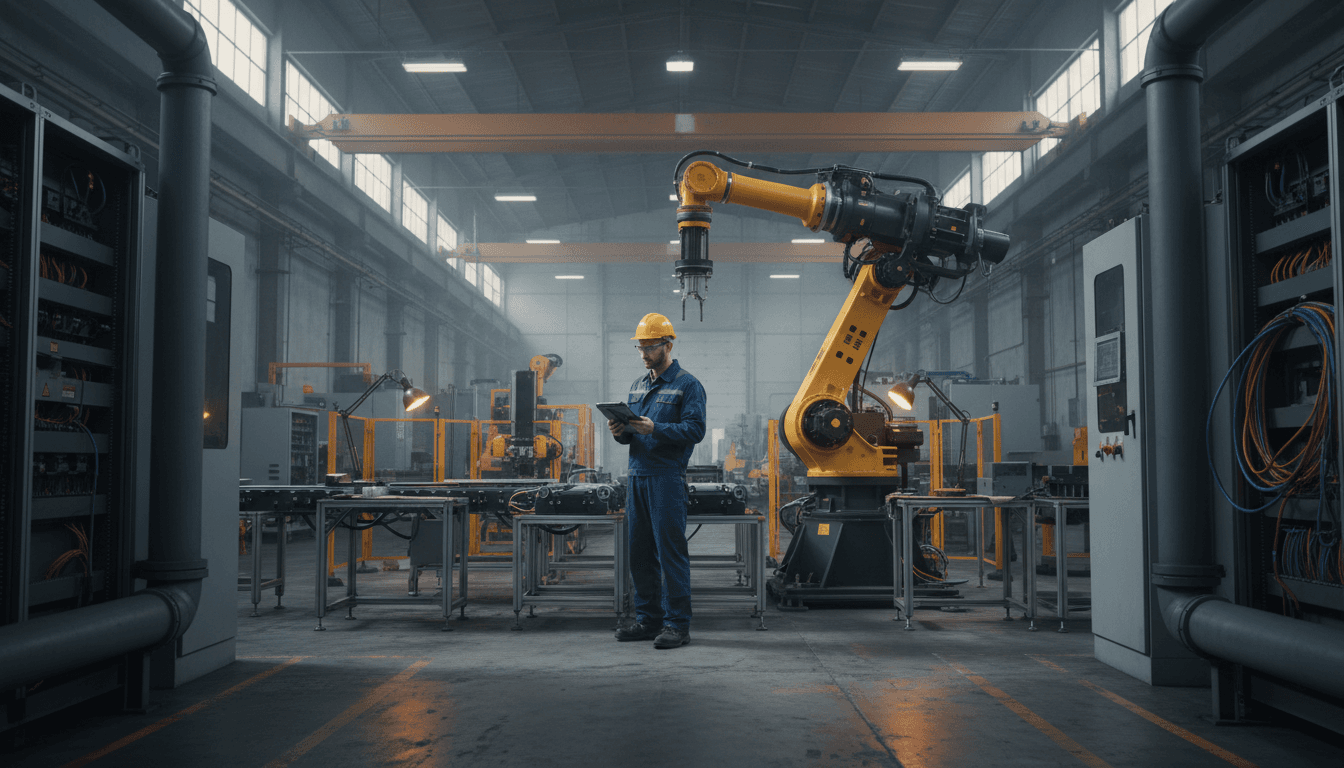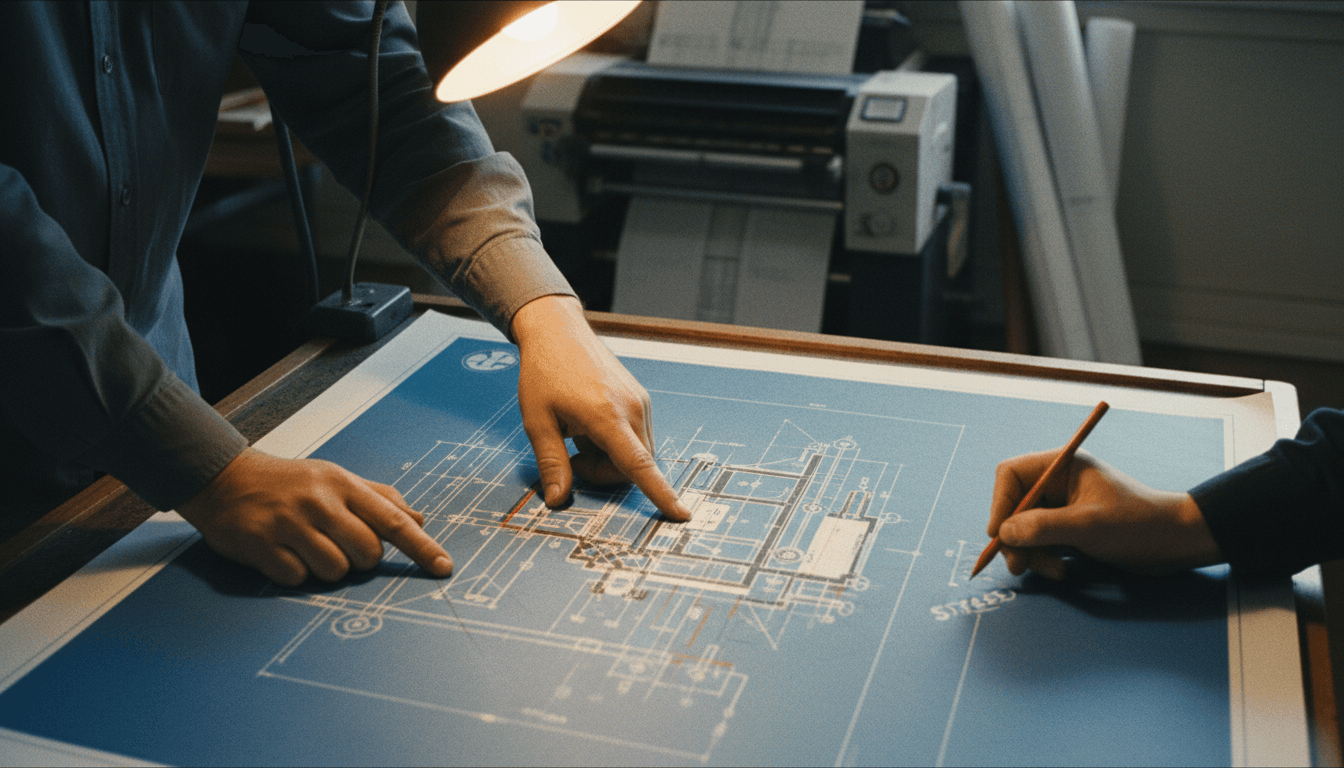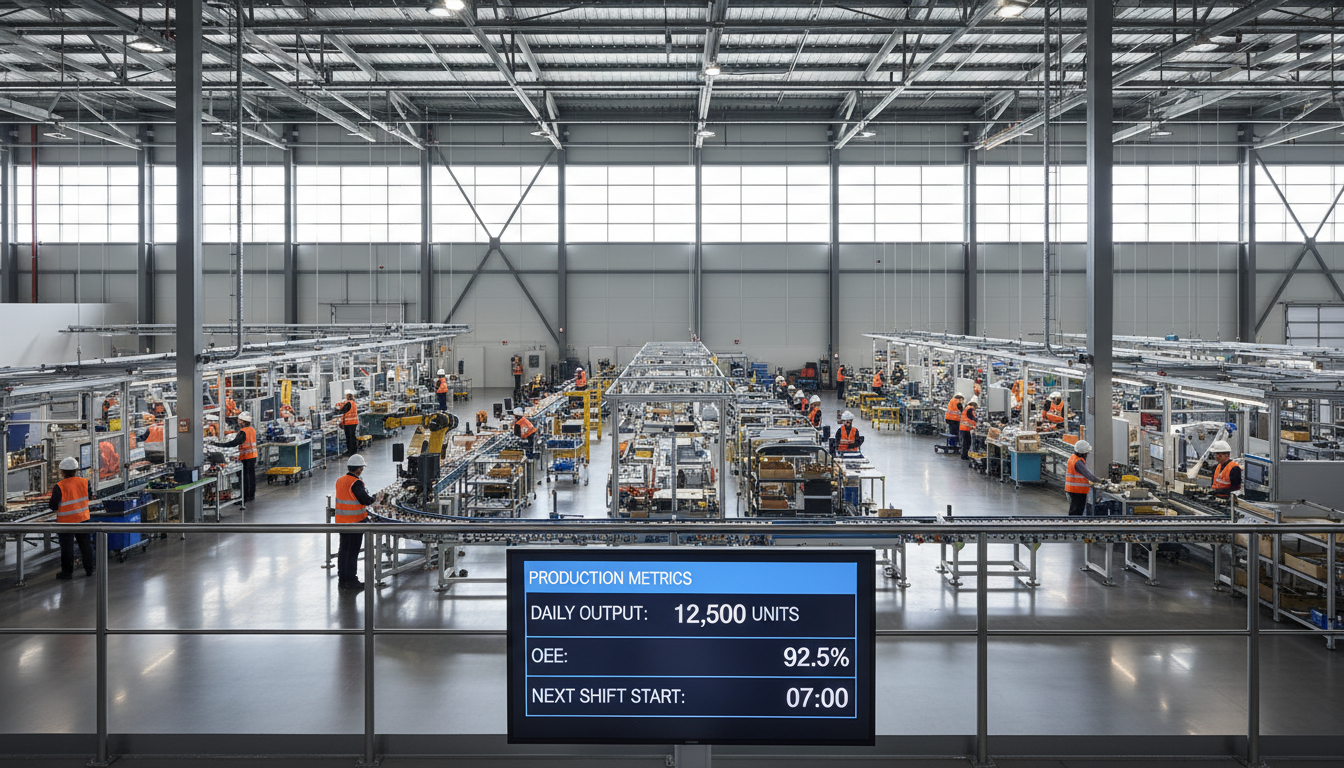
Effective industrial infrastructure manufacturing facility design integrates advanced MEP systems with production workflows to maximize throughput and operational efficiency. By prioritizing adaptiveness, electrification, and simplified fluid power systems, engineers create scalable environments that minimize downtime and support long-term technological growth.
Most industrial leaders face a recurring frustration where the facility shell actively restricts production floor potential. This friction typically stems from a fundamental disconnect between building utilities and the specific demands of high-throughput machinery. At Lebron Industrial Operational Consultants, we view infrastructure as a primary driver of operational efficiency rather than a secondary support system. Integrating MEP design directly with production goals is the only way to ensure your capital investment yields a scalable, high-performance environment. This guide explores the technical necessities of high-capacity electrical distribution, optimized pneumatic loops, and the strategic design of process piping. You will discover how a coordinated approach to digital and physical infrastructure reduces bottlenecks and prepares your facility for the inevitable requirements of future equipment relocation.
Defining Industrial Infrastructure: Beyond Basic Building Utilities
Industrial infrastructure is frequently misunderstood as a simple extension of building utilities. In professional turnkey manufacturing plant designs, we define it as the specialized network of mechanical, electrical, and fluid systems designed specifically to support machine operations rather than mere human occupancy. While commercial MEP (Mechanical, Electrical, and Plumbing) focuses on occupant comfort and basic safety codes, industrial infrastructure serves as the lifeblood of production throughput.
For a facility in New Jersey’s competitive industrial corridors, such as those in the Parsippany-Troy Hills area, a standard build out is rarely sufficient. A robust industrial infrastructure manufacturing facility design must be engineered for peak rated output. This means systems are sized not for the average daily load, but for the maximum potential stress the equipment can exert during high-volume shifts. Failure to account for these surges leads to voltage drops, pressure losses in pneumatic lines, and thermal bottlenecks in cooling loops.
To achieve this level of integration, engineers categorize industrial design into four distinct types: - Process Design: The sequence of operations and chemical or mechanical changes that transform raw materials into finished goods. - Equipment Design: The specification, programming, and physical layout of custom machinery and robotics. - Facility Design: The physical architecture, floor loading, and structural requirements of the building shell. - Systems Design: The integrated utility networks, including high voltage distribution and process piping, that connect the facility to the equipment.
Effective planning requires high-end design for manufacturing reviews to ensure these four pillars work in unison, preventing costly retrofits when transitioning from a prototype to a full production line.
Electrical Infrastructure: Designing for High Capacity and Power Distribution
Designing the electrical backbone of a facility requires a shift from viewing power as a static utility to treating it as a dynamic production variable. In our turnkey manufacturing plant designs, we prioritize a distribution topology that mitigates the risk of cascading failures. Industrial facilities generally utilize one of four distribution configurations:
Radial Systems: The most common and least expensive, utilizing a single path from the source to the load. While simple, a single fault can shut down the entire line.
Loop Systems: These provide two paths for power to reach a load from a single source, offering improved reliability through redundancy.
Network Systems: The most complex and reliable, connecting multiple sources and paths to ensure that power is never interrupted, even during maintenance.
Primary Selective Systems: These utilize two independent utility sources. If the primary feed fails, the system automatically or manually switches to the alternate source, a critical feature for high-value production cycles where downtime equals total product loss.
A resilient industrial infrastructure manufacturing facility design must also account for future scalability. This involves more than just leaving physical space on the floor; it requires the engineering of switchgear with spare bays and sizing transformers for future capacity rather than current load. When the main service entrance is under-engineered, adding a single high-tonnage press or a robotic assembly cell can trigger a total service upgrade, costing hundreds of thousands in unforeseen capital expenditures.
Effective power management at the floor level is facilitated by integrated PLC control panels. These panels act as the interface between the high-voltage distribution system and the specific machine requirements, managing peak loads and providing the data necessary for high-end design for manufacturing reviews. By monitoring load profiles via these panels, we ensure that voltage stability is maintained across the facility, protecting sensitive electronics and ensuring consistent motor performance during peak production shifts.
Optimizing Pneumatic Fluid Power Loops and Valve Manifolds
While electrical systems provide the control logic, pneumatic fluid power provides the physical force required for high speed automation. In a sophisticated industrial infrastructure manufacturing facility design, the pneumatic distribution must be engineered as a continuous loop, often referred to as a ring main, rather than a dead end header. This configuration ensures that air volume is available from two directions at any given drop point, significantly reducing the pressure drops that plague linear systems during peak demand cycles. When a high tonnage actuator fires at the end of a line, a loop prevents the momentary vacuum that can cause neighboring sensors or valves to fault.
To further optimize this flow, we utilize integrated valve manifolds. By centralizing solenoid valves onto a single manifold block, we eliminate the clutter of redundant piping often found in poorly planned facilities. This consolidation offers several engineering advantages:
Reduced Leak Points: Fewer individual fittings and threaded joints translate to a lower probability of system pressure loss and energy waste over time.
Minimized Internal Volume: Shortening the distance between the control valve and the actuator improves response times and reduces the volume of compressed air required for each cycle.
Simplified Maintenance: Manifold mounted valves allow for modular replacement. Technicians can swap a faulty component without disturbing the primary plumbing, drastically reducing mean time to repair (MTTR).
Integrating these fluid power loops directly into turnkey manufacturing plant designs ensures that the mechanical machinery operates at its intended cycle rate without starvation. During our high-end design for manufacturing reviews, we analyze the spatial requirements of these manifolds to ensure they are accessible for maintenance but protected from floor traffic, bridging the gap between raw utility supply and precise mechanical actuation.
Industrial Plumbing and Process Piping: Who Designs the Engineering Aspect?
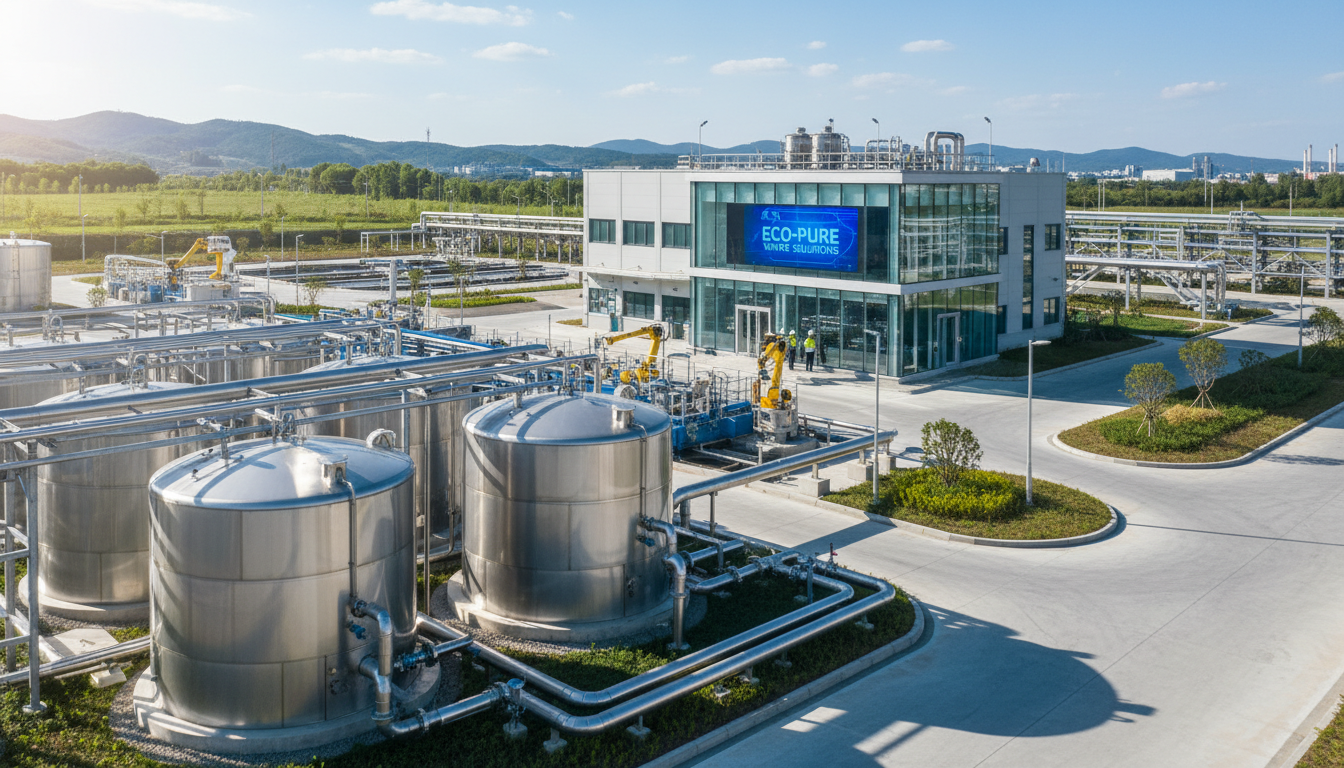
While a licensed master plumber is essential for physical installation and adherence to the Uniform Construction Code, the actual engineering of a process system falls under the purview of an industrial consultant. Standard commercial plumbing centers on sanitary waste and potable water distribution. In contrast, a robust industrial infrastructure manufacturing facility design requires an engineer to calculate flow velocities, friction losses, and pressure gradients for complex process piping. These systems frequently manage caustic chemicals, high-pressure steam, or closed-loop cooling systems that require specific metallurgical selections and specialized joining methods far beyond standard commercial piping.
For facilities operating in the Parsippany-Troy Hills area, compliance with New Jersey Department of Environmental Protection (NJDEP) standards is a critical design constraint. Engineering for wastewater treatment plant design must ensure that industrial effluent is pre-treated to meet strict local discharge limits before entering municipal systems. An industrial consultant bridges the gap between production demands and environmental law. They specify the necessary neutralization tanks, secondary containment, and monitoring sensors during high-end design for manufacturing reviews. This rigorous engineering approach ensures that the facility maintains its rated throughput while remaining in full regulatory adherence, which is a core component of our turnkey manufacturing plant designs. By addressing these specialized plumbing needs during the design phase, we prevent the bottlenecks and compliance failures that often occur when industrial processes are shoehorned into standard commercial shells.
Coordinated MEP Design for Manufacturing: The DFM Advantage

Coordinating mechanical, electrical, and plumbing systems is the most critical step in transitioning from a benchtop prototype to a high volume production line. At Lebron Industrial Operational Consultants, we utilize high-end design for manufacturing reviews to ensure that the facility’s infrastructure is not just present, but perfectly synchronized with the equipment’s physical footprint. This process bridges the gap between a successful product design and the actual reality of mass production, where every square foot of floor space and every linear foot of utility piping represents a significant capital investment.
The cornerstone of this coordination is advanced clash detection within our turnkey manufacturing plant designs. In a dense industrial infrastructure manufacturing facility design, the spatial competition between overhead busways, pneumatic headers, and ventilation ducting is intense. By identifying interferences in the digital twin phase, we prevent the field fixes that often plague less rigorous projects. For instance, discovering that a main electrical conduit path intersects with a specialized process exhaust duct during the drawing phase allows for a simple reroute in the software. Discovering it during installation, however, can lead to weeks of delays and tens of thousands of dollars in change orders.
This level of MEP coordination also ensures that the physical environment supports the assembly logic of the machine itself. We verify that utility drops are positioned precisely where the machine’s connection points are located, minimizing the need for long, inefficient flexible hose runs or surface mounted wiring. This precision ensures that the move from prototype to production is a seamless execution rather than a series of costly compromises made on the factory floor.
Digital Infrastructure: Integrating Cloud Databases with the Factory Floor
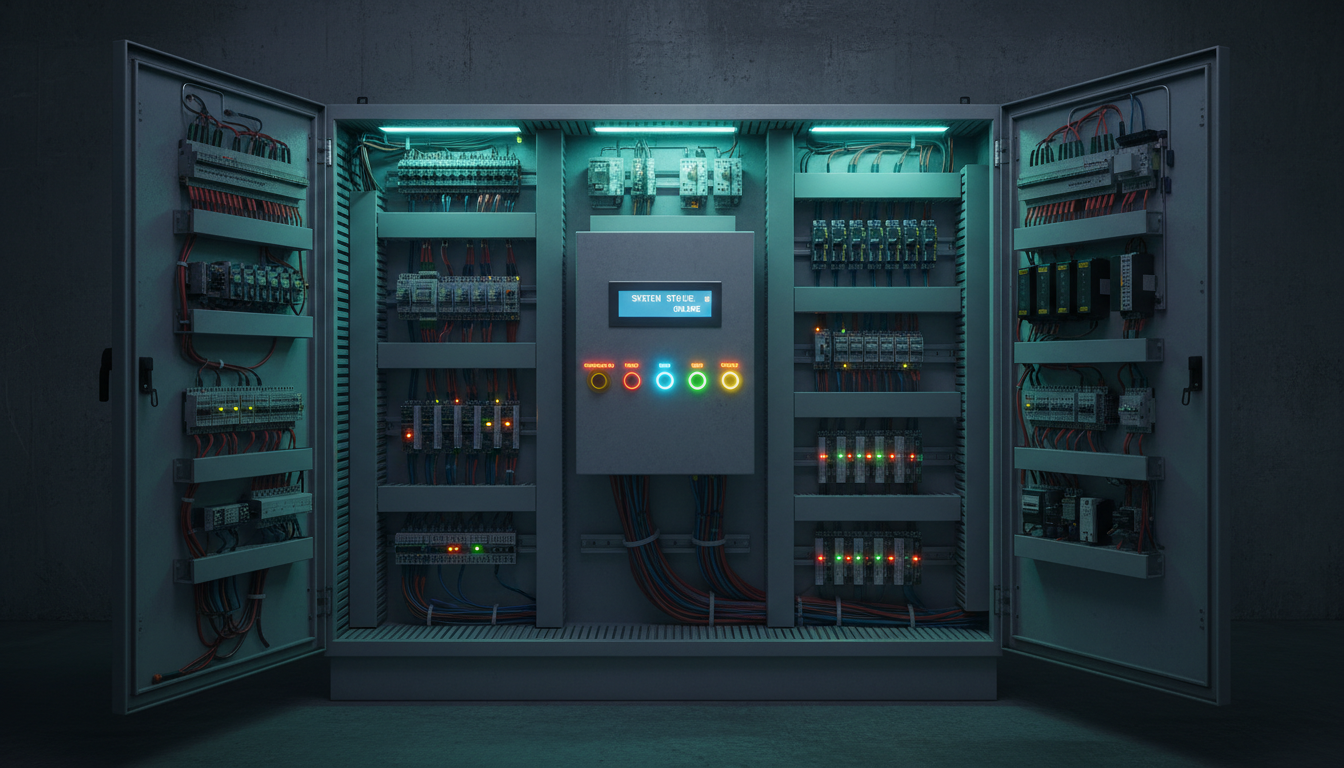
Modern infrastructure extends beyond physical conduits into the digital domain. Incorporating a robust data layer within an industrial infrastructure manufacturing facility design transforms a static building into a responsive smart facility. We integrate custom PLC programming with cloud-based database tracking to bridge the gap between mechanical actuation and executive-level oversight. This digital integration allows for the real-time monitoring of facility health, tracking variables such as motor thermal signatures, peak electrical demand, and pneumatic pressure stability across the floor.
By utilizing high-end design for manufacturing reviews, we ensure that every sensor and Ethernet drop is strategically placed to capture actionable data. This moves the operational model from reactive maintenance to predictive analytics. Instead of waiting for a pump failure to stop production, the integrated infrastructure alerts teams when vibration or current draw deviates from the baseline. For turnkey manufacturing plant designs, this data-driven approach provides a comprehensive view of production efficiency, ensuring that the facility’s physical systems are consistently optimized for the rated throughput. In the competitive landscape of the Parsippany-Troy Hills industrial corridor, these digital insights are no longer optional; they are the primary mechanism for maintaining a lean, high-output operation.
Facility Layout and Infrastructure for Future Equipment Relocation
While digital tracking monitors the current state of a facility, physical adaptiveness prepares it for what comes next. A resilient industrial infrastructure manufacturing facility design must account for the inevitable relocation or addition of heavy equipment. In the Parsippany-Troy Hills industrial corridor, where floor space is often at a premium, facilities must be engineered for multi-functional use. We achieve this by deploying overhead utility drops and modular busway systems, which eliminate the need for permanent floor-embedded conduits that hinder future floor plan adjustments.
By utilizing modular electrical panels and flexible process piping with quick-disconnect fittings, we enable rapid line reconfigurations with minimal production downtime. These modular elements are a priority during high-end design for manufacturing reviews, ensuring that the physical plant can evolve alongside the product life cycle. This approach to turnkey manufacturing plant designs ensures that adding a new robotic cell or relocating a high-tonnage press does not necessitate a costly structural or utility overhaul, maintaining the facility's long-term operational agility.
Optimizing your facility design requires a delicate balance between core infrastructure and actual production needs. When MEP systems are fully integrated with your throughput goals, the result is a more resilient and efficient operational environment. Navigating these technical complexities can be challenging for any management team. If you want expert help to streamline your industrial design process, you can learn more about our approach to see how we help clients achieve operational excellence. We are here to ensure your infrastructure supports your long-term growth.